

Key Components of GSTAT Appeal Hiring:
Case Evaluation:
Initial Consultation: Detailed review of the GST order passed by the Appellate Authority to assess the merits of filing an appeal before the GST Appellate Tribunal (GSTAT).
Grounds of Appeal: Identification and drafting of strong legal and factual grounds for challenging the impugned order.
Documentation:
Order Copies: Collection of adjudication order, appellate order, show cause notice, and related correspondence.
Supporting Records: Compilation of GST returns, invoices, input tax credit details, reconciliation statements, and other relevant documents.
Appeal Filing Process:
Appeal Preparation: Drafting of appeal memo, statement of facts, and grounds of appeal as per GST law provisions.
Form & Submission: Filing the prescribed appeal form along with required annexures before GSTAT within the statutory time limit.
Pre-Deposit Compliance: Ensuring payment of the required pre-deposit percentage of disputed tax as per GST provisions.
Representation Before GSTAT:
Authorized Representation: Hiring experienced GST consultants, tax advocates, or legal professionals for tribunal representation.
Hearing & Arguments: Presentation of legal submissions, case laws, and factual clarifications before the Tribunal.
Case Monitoring: Regular follow-ups on hearing dates, adjournments, and order updates.
Compliance & Post-Order Support:
Order Review: Detailed analysis of GSTAT order and advisory on its impact.
Further Appeal: Assistance in filing appeal before the High Court, if required.
Rectification Application: Filing rectification petition in case of any apparent error in the tribunal order.
Fee Structure:
Professional Fees: Fees depend on the complexity of the case, number of issues involved, and representation scope.
Statutory Fees: Applicable government filing fees and mandatory pre-deposit as prescribed under GST law.
Benefits of GSTAT Appeal Hiring:
Expert Legal Support:
Professional Guidance: Skilled GST experts ensure proper drafting and effective representation before the Tribunal.
Improved Success Chances:
Strategic Planning: Strong documentation and structured arguments increase the possibility of favorable relief.
Technical Knowledge:
Compliance Expertise: Deep understanding of GST laws, notifications, circulars, and judicial precedents.
Time Efficiency:
Process Handling: Professionals manage documentation, compliance, and hearings efficiently.
Risk Reduction:
Error-Free Filing: Proper procedure reduces chances of rejection or dismissal due to technical defects.
Challenges:
Strict Time Limits:
Limitation Period: Appeals must be filed within the prescribed time frame to avoid rejection.
Mandatory Pre-Deposit:
Financial Burden: A fixed percentage of disputed tax must be deposited before filing the appeal.
Legal Complexity:
Interpretation Issues: GST litigation involves technical provisions and evolving case laws.
Uncertain Outcome:
Tribunal Discretion: Final decision depends on facts, legal merits, and judicial interpretation.
Conclusion:
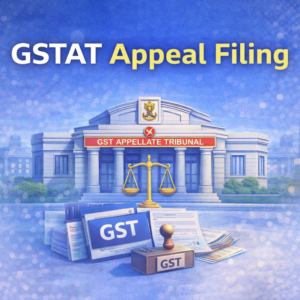
GSTAT Appeal Hiring provides professional support for challenging adverse GST orders at the appellate tribunal level. With expert drafting, structured documentation, and strong representation, taxpayers can effectively protect their rights and seek justified relief under GST law.